
Advantages of Large Welded Steel Silos for Clinker Storage
Oct 27, 2026Keywords: clinker silo, welded steel silo, steel silo
In the cement production chain, clinker storage is a process that appears simple but is, in fact, fraught with technical challenges. Clinker discharged from rotary kilns is highly abrasive and susceptible to moisture-induced deterioration—characteristics that impose rigorous demands on storage facilities. For years, the industry has sought superior storage solutions, yet large-scale welded steel silos have consistently remained the dominant choice.
This is no coincidence. A systematic comparison between the engineering requirements for clinker storage and the performance characteristics of various silo types reveals that the advantages of welded steel silos are not limited to a single aspect; rather, they offer advantages across multiple key performance indicators, including capacity, airtightness, structural strength, construction time, and cost-effectiveness.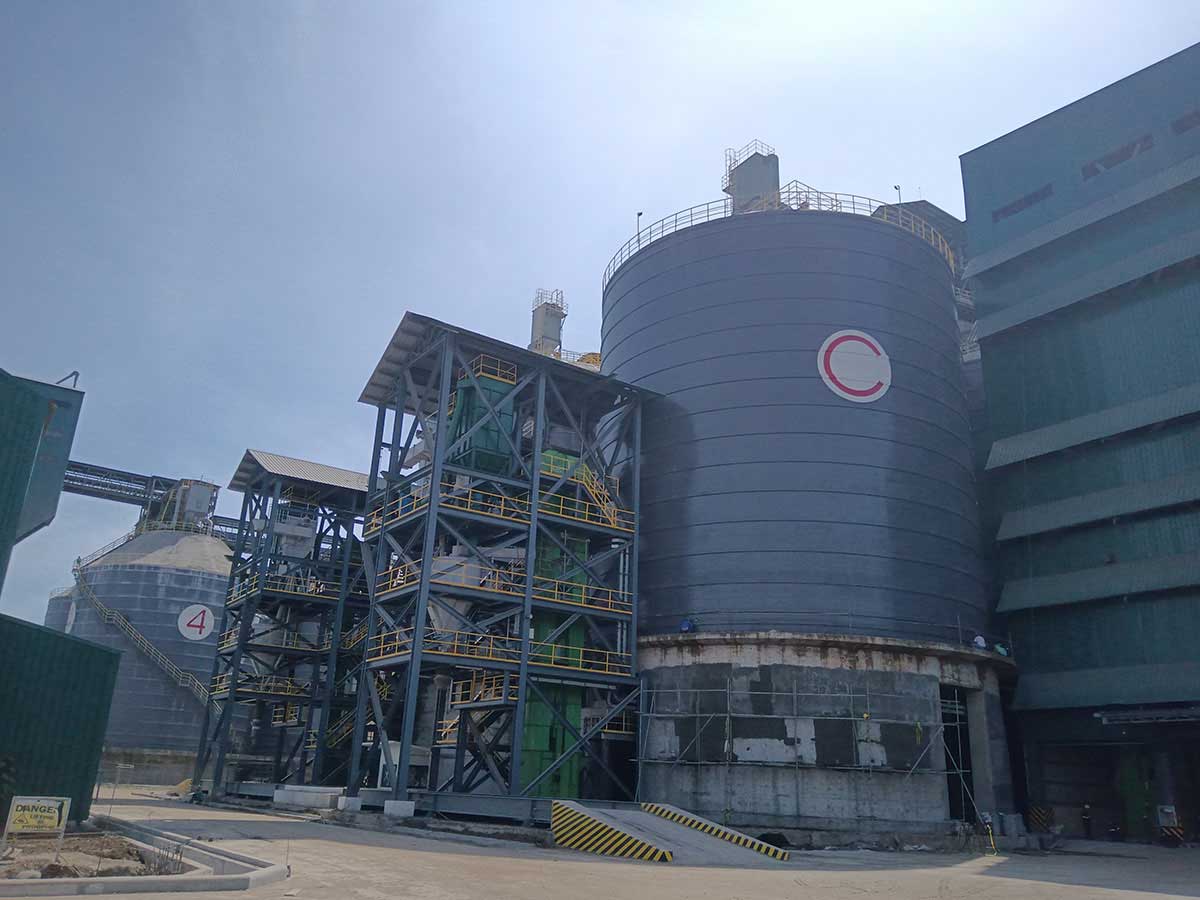
Demanding Storage Requirements for Clinker
To understand why welded steel silos have become the mainstream solution, one must first grasp the specific operational conditions associated with clinker.
Abrasive Challenges: Clinker particles are hard and possess sharp, angular edges, causing continuous wear on the walls and floors of storage facilities during loading and unloading. Storage structures made from conventional materials can wear through rapidly under these conditions.
Sealing Challenges: Exposure to moisture triggers a hydration reaction in clinker, which reduces its reactivity, causes the material to clump—thereby hindering discharge—and potentially compromises product quality. Consequently, storage facilities must offer excellent airtightness to prevent external moisture from entering the silo.
Environmental Challenges: The transport, loading, and unloading of clinker generate significant amounts of dust. Therefore, storage facilities must be equipped with robust dust-collection systems to comply with increasingly stringent environmental regulations.
According to design standards for cement plants, clinker should be stored in circular silos, which provide superior containment. Conversely, tent-style storage structures and elongated open-air stockpiles are generally discouraged due to their large land requirements and low silo-emptying efficiency. This regulatory guidance has paved the way for the widespread adoption of steel silos.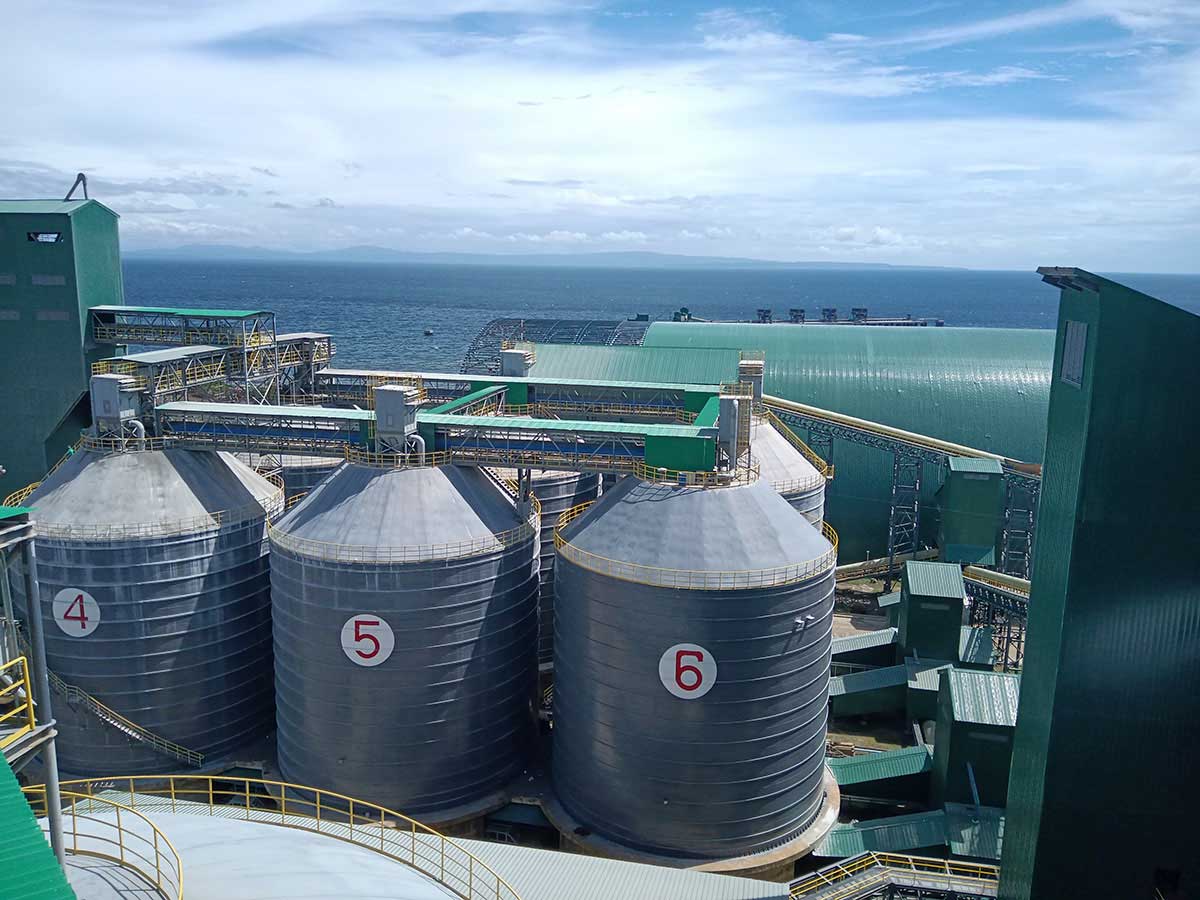
Core Technical Advantages of Welded Steel Silos
Among the three primary types of steel silos—bolted (assembled), spiral-seamed, and welded—why do welded steel silos stand out?
Capacity is the most direct answer. Bolted silos rely on bolted connections, which require holes to be punched in the wall panels, thereby limiting airtightness and typically restricting the capacity of a single unit to 2,000–3,000 tons. Spiral-seamed silos are constructed using a mechanical seaming (crimping) process, which limits the thickness of the steel plates and generally keeps the capacity of a single unit below 8,000 tons. In contrast, welded silos utilize a full-welding process, allowing for a single-unit capacity of up to 50,000 tons—fully meeting the large-scale storage requirements of modern cement plants.
Sealing performance is another key differentiator. Welded silos feature continuous welds, ensuring excellent airtightness. This is crucial for the storage of clinker, as it effectively blocks external moisture—preventing the material from becoming damp or clumping—while also containing dust to avoid environmental pollution. By comparison, bolted silos may have sealing limitations associated with their bolted connections and panel joints that make them unsuitable for storing powdered materials prone to degradation.
Structural strength provides a reliable safeguard. Welded silos are constructed from Q235B/Q355B steel plates, offering superior resistance to wind pressure and seismic forces, as well as the ability to withstand greater lateral pressure. Research indicates that weld-related indentations or defects can negatively impact a silo's structural stability and load-bearing capacity; however, the incorporation of well-designed stiffeners—particularly those stiffeners arranged horizontally —can significantly enhance the stability and load-bearing capacity of the silo walls. This means that through structural optimization during the design phase, the long-term safe operation of welded steel silos can be effectively ensured.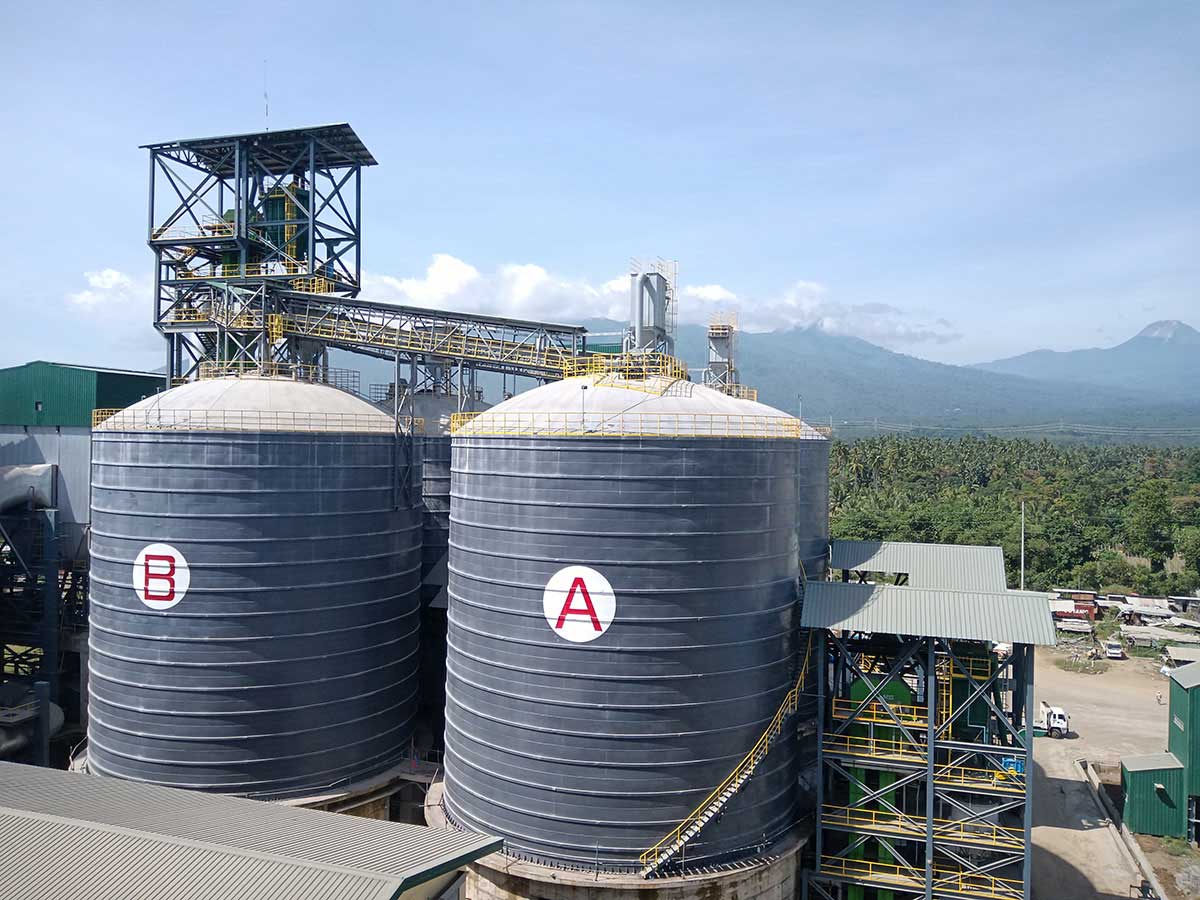
Economic Advantages: A Life-Cycle Cost Perspective
The dominant position of welded steel silos stems not only from their technical performance but, even more significantly, from their economic viability.
Clear Advantages in Construction Costs: Compared to concrete silos, welded steel silos can reduce construction costs by approximately 40%. Furthermore, they require about 50% less construction material and occupy a smaller land footprint. For cement enterprises focused on maximizing return on investment, this cost advantage is highly attractive. Additionally, the low self-weight of steel silos places fewer demands on foundation load-bearing capacity, further reducing civil engineering and construction expenses.
Short Construction Period: The construction of a welded steel silo typically takes only about three months—roughly half the time required for a reinforced concrete silo. This allows enterprises to establish storage capacity more rapidly, thereby accelerating capital turnover.
Long Service Life: The surfaces of welded steel silos undergo anti-corrosion treatment (such as galvanizing or the application of an epoxy coating). With proper maintenance, these silos can remain in service for over 30 years. When evaluated in terms of total life-cycle costs, the cost-effectiveness of welded steel silos becomes even more evident when assessed over their entire service life.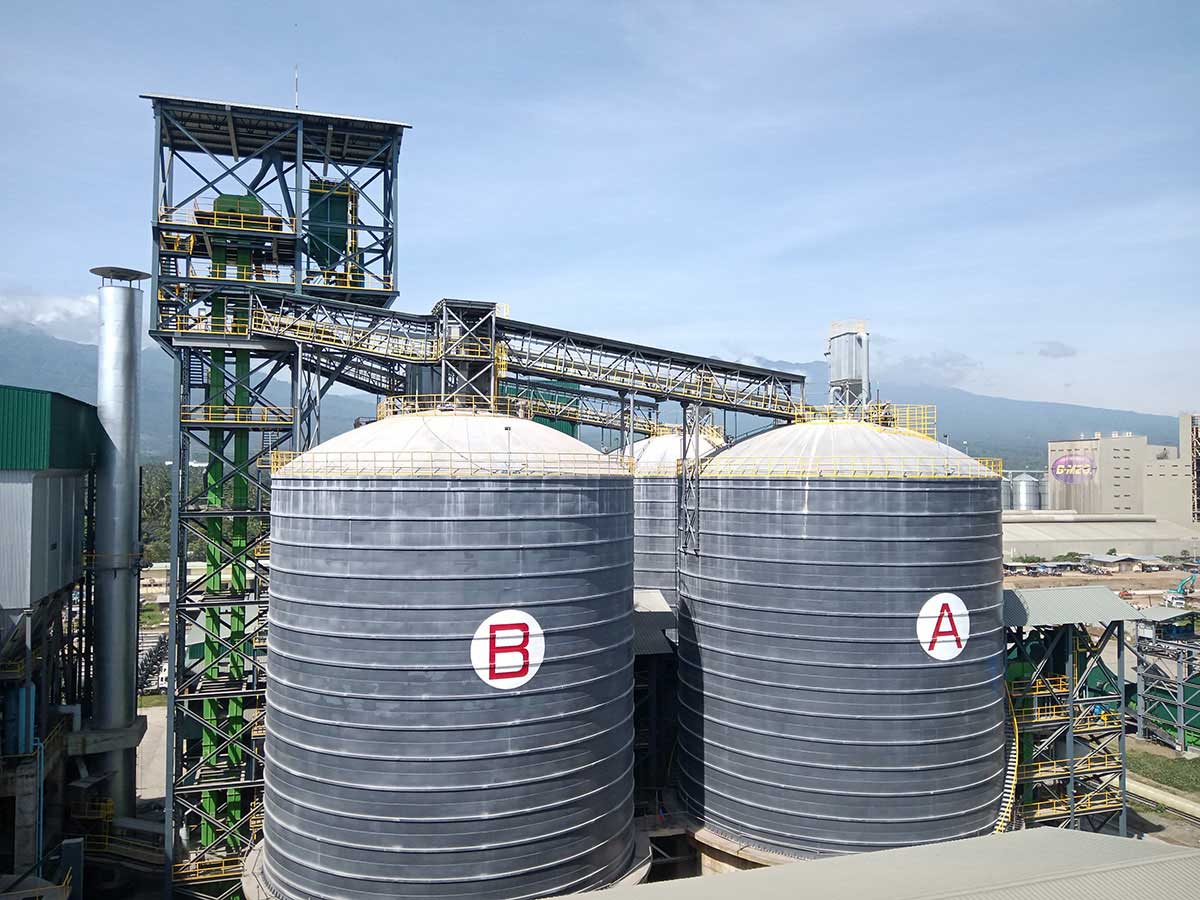
System Integration Capabilities: From Storage Units to Operational Nodes
Modern clinker storage has evolved beyond simple material stockpiling; it now serves as a critical node within the entire production process. Welded steel silos offer distinct advantages in this regard.
Flexible Discharge Systems: Welded steel silos can be configured with conical or flat bottoms and multiple discharge outlets, accommodating complex site layouts and specific process requirements. The pneumatic discharge system uses air pressure to convey stored material to designated locations, enabling efficient discharge.
Potential for Intelligent Upgrades: Welded steel silos can incorporate provisions for sensor installation, enabling the monitoring of temperature, humidity, and material levels. They can also be integrated with automated feeding and discharge systems, providing the essential infrastructure for the intelligent management of cement plants.
Comprehensive Environmental Protection: Dust collection systems can be installed during both the filling and discharge processes, preventing environmental pollution. Dust-collection systems can be installed at both the top and bottom of the silos, as well as at material inlet and outlet points, to help control dust emissions and meet environmental protection requirements.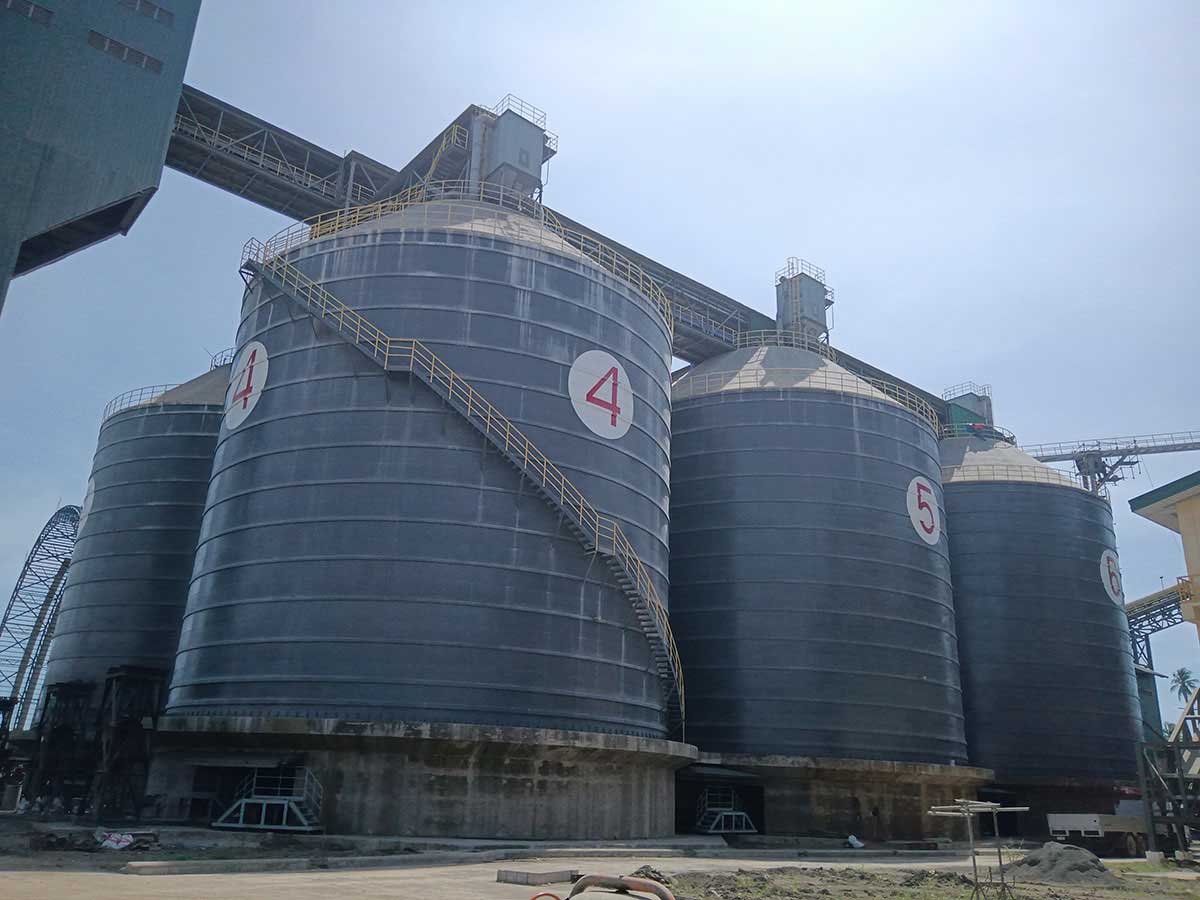
Bolted steel silos often suffer from inadequate sealing, spiral-formed steel silos are limited in capacity, and concrete silos entail high costs and long construction periods—among these various options, welded steel silos emerge as the superior choice due to their comprehensive advantages. Far more than mere storage containers, they serve as reliable and integral components of a cement plant's production process. For cement enterprises currently planning clinker storage systems, a clear understanding of the technical rationale behind welded steel silos is essential for making decisions that align with long-term operational goals. Selecting the right silo type is not about choosing the largest one; rather, it is about identifying the solution that best matches the operating conditions and production requirements of the plant.
Contact US Now!