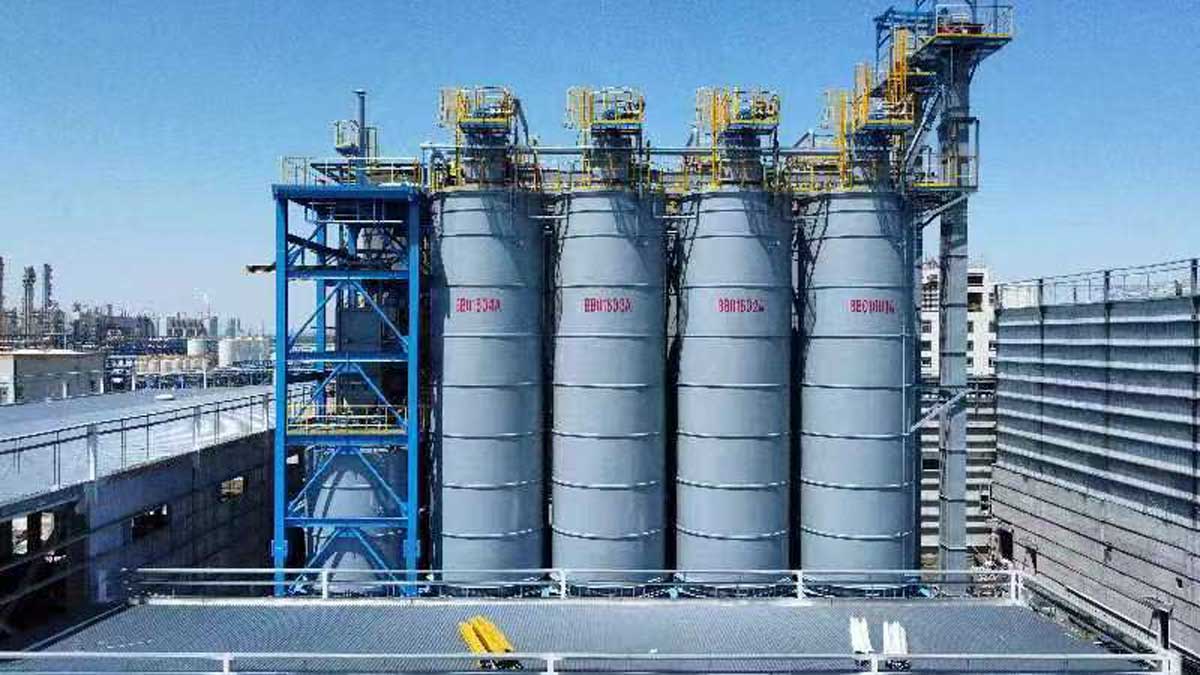
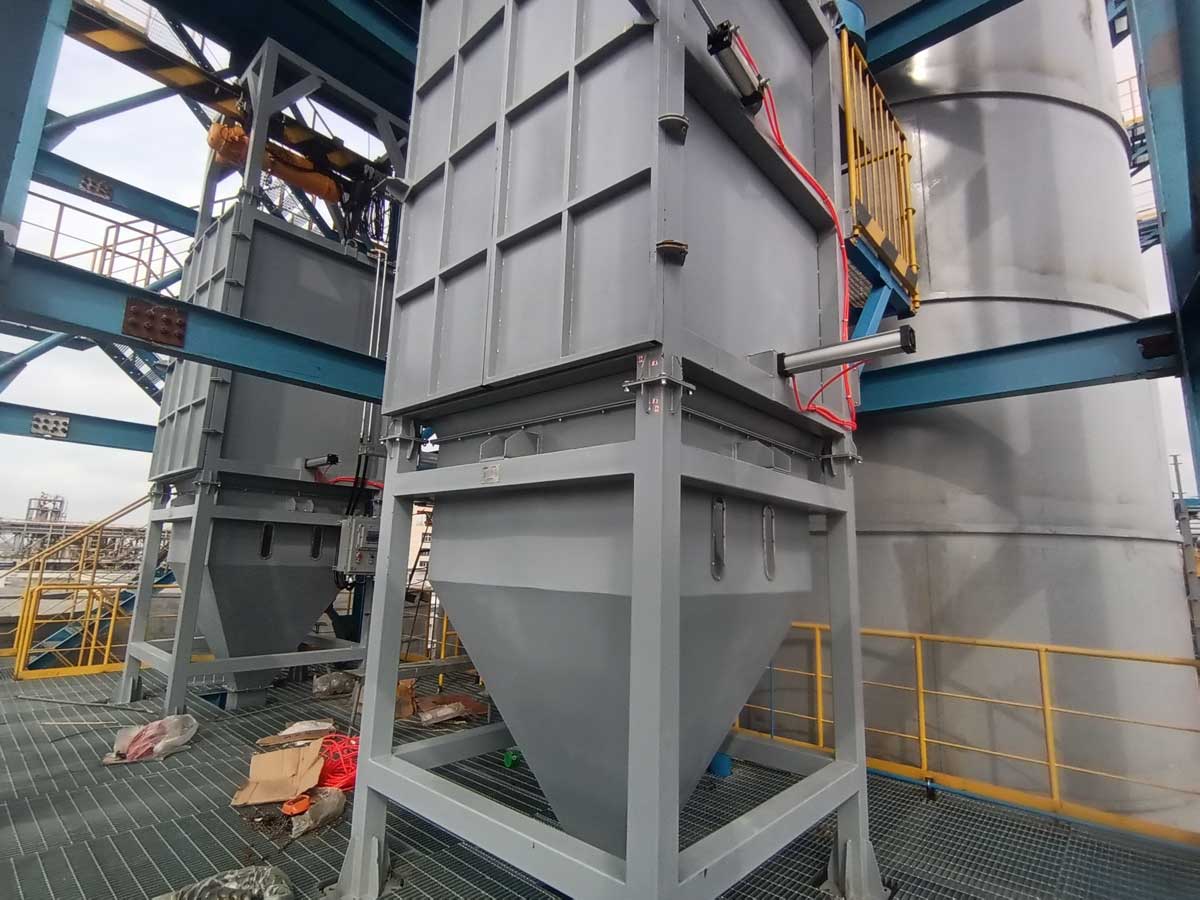
In bulk material storage and conveying systems, the discharge efficiency of cone-bottom silos directly impacts production continuity, energy consumption, and operational stability. Particularly in industries such as coal, cement, chemicals, animal feed, and food processing, issues like poor material flowability, arching, wall adhesion, and clogging often act as critical constraints on overall production capacity. Consequently, optimizing the discharge structure and method of cone-bottom silos has become a key focus in engineering design and equipment selection.
Basic Principles of Discharge from Conical-Bottom Silos
Conical-bottom silos typically feature a conical design that utilizes gravity to facilitate the natural downward flow and concentrated discharge of material. Key advantages include:
Creating a continuous flow channel via the cone angle
Enabling spontaneous discharge driven by gravity
Reducing the need for manual intervention and reliance on mechanical conveying systems
Under ideal conditions, the material exhibits "mass flow," resulting in virtually complete discharge with minimal residual material remaining in the silo. However, in practical applications, factors such as particle size, moisture content, the angle of internal friction, and the wall friction coefficient can affect flowability, potentially leading to impeded discharge.
Full-Cone Bottom Gravity Discharge: An Efficient and Simple Solution
Full-cone bottom gravity discharge is the most typical method for unloading cone-bottom silos; it utilizes a steep slope angle and sufficient height to allow material to slide out completely under the force of gravity.
Key Features:
Continuous and smooth material flow path
Minimal to near-zero material retention within the silo
No additional discharge equipment required
Simple system structure and short construction period
Low maintenance costs and stable operation
Suitable Applications:
Ideal for bulk materials with uniform particle size and good flowability, such as sand and gravel, small-particle raw materials, and certain dry powders. However, for large-diameter silos or materials with poor flowability, a full-cone bottom design often entails higher construction costs and greater requirements for foundation height.
Gravity Discharge with Semi-Conical Bottom: An Optimized Solution Balancing Cost and Efficiency
For large-diameter silos or space-constrained environments, a semi-conical bottom design for gravity discharge offers a more cost-effective solution.
Technical Features:
Utilizes a partial cone structure instead of a full cone design; this maintains material flowability while reducing the silo's overall height, thereby lowering steel consumption and foundation construction costs.
Advantages:
Ensures smooth material flow with minimal residual buildup and high discharge efficiency. It significantly reduces equipment investment and civil engineering costs, requires a lower foundation profile, and offers greater adaptability.
This solution is particularly well-suited for large-scale storage systems, such as those used for cement, mineral powder, and industrial raw materials.
Vibrating Discharge Systems: Key Technology for Resolving Bridging and Blockage
For materials with poor flowability or a tendency to clump, relying solely on gravity often fails to ensure consistent discharge; in such cases, a vibrating discharge system serves as a crucial solution.
Working Principle:
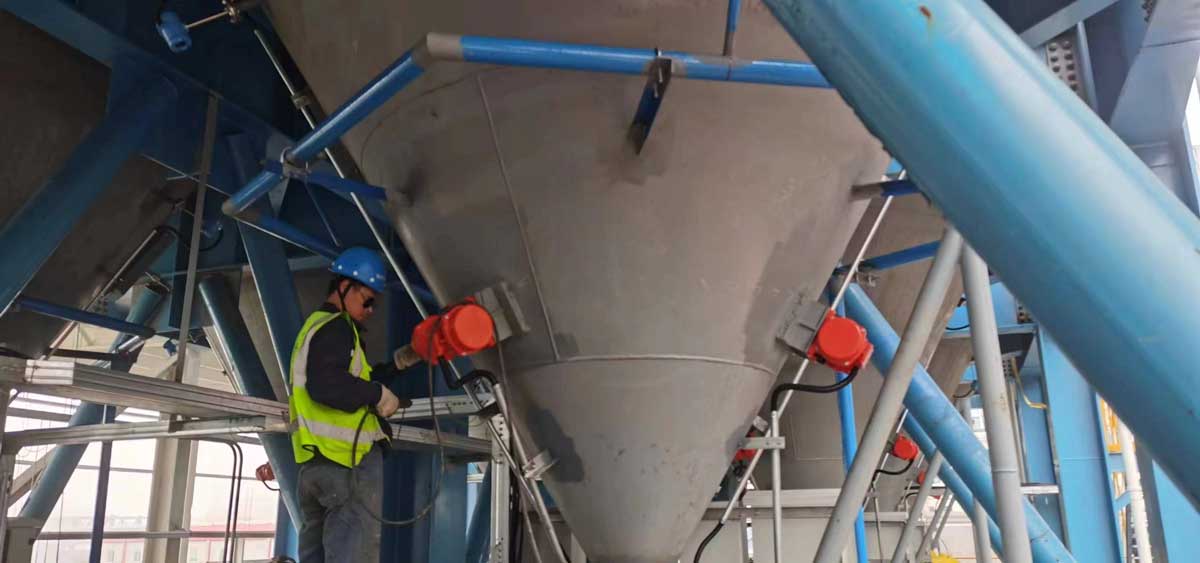
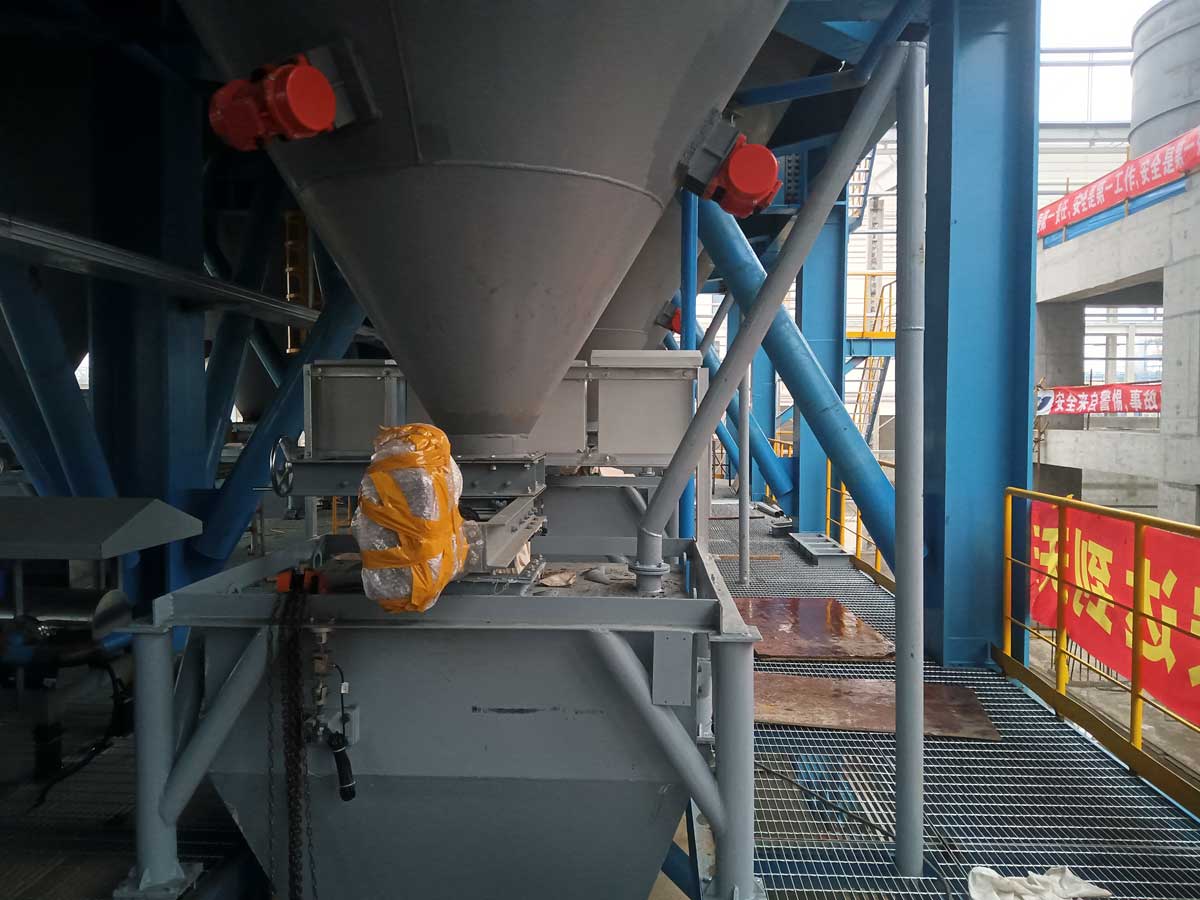
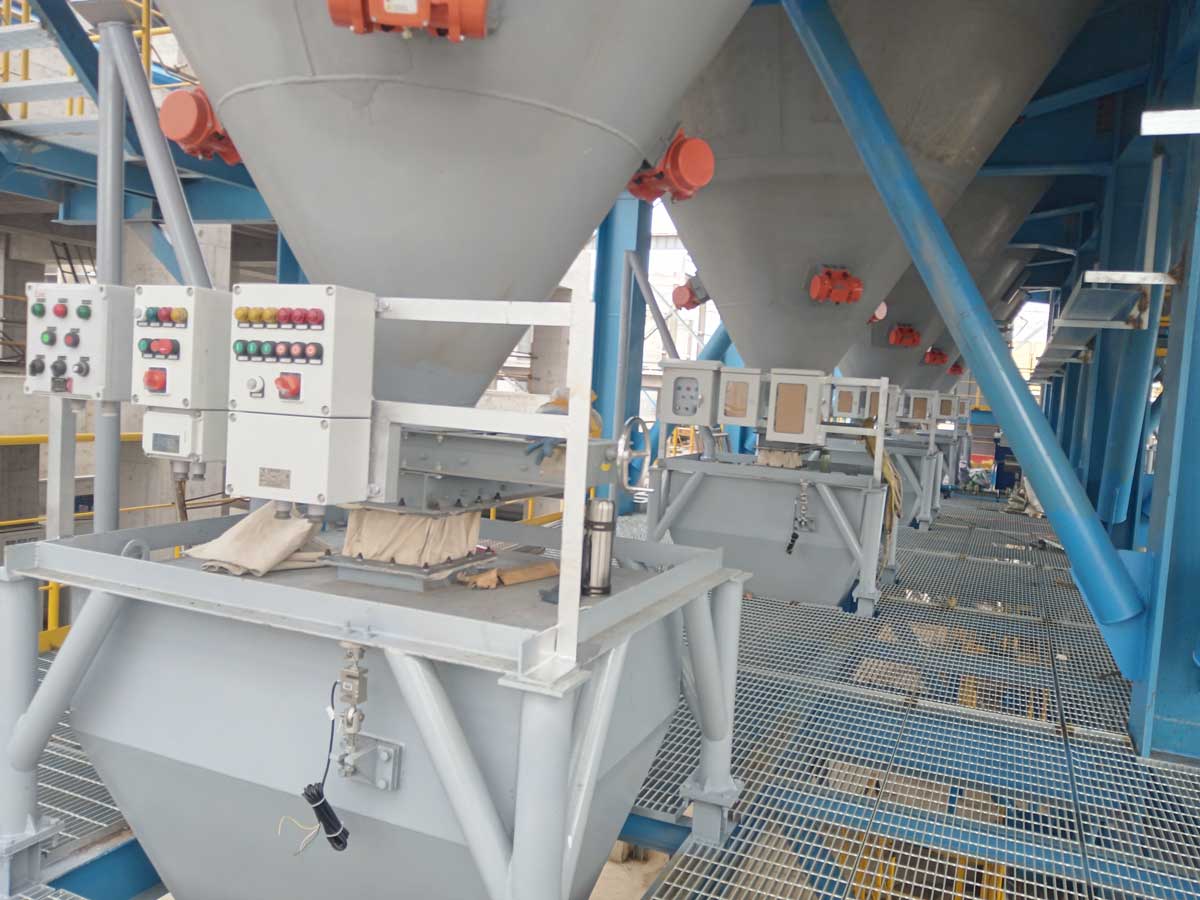
A vibration motor drives a cone to generate continuous or intermittent vibration, reducing friction between the material and the silo walls, thereby facilitating material flow and discharge.
Key Advantages:
Whole-cone vibration ensures more uniform discharge, effectively breaks up material bridging and clumping, and enables a high degree of silo emptying.
Optimized structural design minimizes material retention, lowers maintenance costs, and ensures high operational reliability.
Typical Application Industries:
Coal mining and mineral powder processing; cement and building material production lines; chemical powders and plastic granules; feed processing and grain storage; food and glass industries; iron and steel smelting and auxiliary raw material storage.
Vibrating discharge technology is particularly well-suited for materials that are high-moisture, finely powdered, or prone to adhesion.
Aeration Units: Key Auxiliary Systems for Enhancing Fluidized Discharge Efficiency
In modern silo systems, aeration units have become a vital technical solution for improving discharge efficiency in conical-bottom silos.
Working Principle:
Heated compressed air is introduced into the silo bottom or the sidewalls of the hopper, inducing a "fluidized state" in the material. This reduces internal friction, thereby facilitating smooth flow.
Structural Components:
Silicon carbide (SiC) aeration panels
Metal housing structure
Flange connection assemblies
Core Functions:
Prevents material arching and bridging; enhances powder flowability; improves discharge uniformity; reduces the risk of blockages.
Applications:
Aeration units are widely used in storage and discharge systems for cement powder, fly ash, lime powder, and other fine powdery materials.
Comprehensive Optimization Strategies for Enhancing Discharge Efficiency in Conical-Bottom Silos
Achieving an efficient discharge system design for conical-bottom silos typically requires the synergistic optimization of multiple technologies:
1.Optimizing the cone angle design: Increasing the cone angle appropriately helps reduce material retention and wall adhesion.
2.Selecting the appropriate discharge structure: Choosing between a full-cone and semi-cone bottom design based on material characteristics balances efficiency and cost.
3.Incorporating vibration or aeration assistance systems: Combining vibration discharge mechanisms with aeration devices—tailored to specific material properties—enhances operational adaptability.
4.Improving inner wall materials and surface treatments: Reducing the friction coefficient minimizes material adhesion and improves flowability.
5.Controlling material moisture content and particle size distribution: Optimizing the material's condition at the source can significantly lower the probability of clogging.
The key to enhancing the discharge efficiency of conical-bottom silos lies in the integrated optimization of structural design, auxiliary systems, and material characteristics. Whether it is the efficiency and simplicity of full-cone gravity discharge, the cost-effectiveness of semi-conical designs, or the enhanced performance provided by vibration discharge systems and aeration devices, each approach plays an indispensable role in specific applications. In practical engineering design, a systematic selection process—factoring in material properties, silo scale, and operating conditions—is essential to achieving a truly efficient, stable, and low-maintenance bulk material storage and handling system.