What are wood pellets? Why are their applications increasing?
Wood pellets are small cylindrical fuels made primarily from sawdust, wood chips, shavings, and forestry logging residues. These are dried, crushed, and impurity-removed materials, then extruded under high pressure. The pelleting process relies on the lignin of the wood itself as a "natural binder," eliminating the need for additional adhesives. Typical industrial-grade wood pellets are approximately 6–10 mm in diameter and 10–30 mm in length, with high bulk density, low moisture content, and uniform size, making them suitable for large-scale mechanized conveying and automatic feeding.
In Southeast Asia, the application of wood pellets is growing significantly, primarily driven by:
Abundant biomass resources: A wide range of sources including forestry byproducts and wood processing waste.
Increasing share of renewable energy: Many countries are promoting clean energy and low-carbon power structures.
Standardized fuel and high transportability: Pellet fuel is easier to meter, transport, continuously feed, and burn stably.
Introduction to Biomass Power Plants and the Role of Wood Pellets in Power Plants
The basic principle of a biomass power plant is to burn wood pellets, agricultural and forestry waste, etc., in a boiler to generate high-temperature, high-pressure steam that drives a steam turbine to generate electricity. Southeast Asian countries are experiencing rapid growth in electricity demand and grid expansion, while also setting goals to increase the proportion of renewable energy. Therefore, biomass power generation is gradually becoming an important option besides hydropower and photovoltaics.
In Southeast Asia, biomass power plants can be broadly categorized as follows:
Dedicated biomass power plants: These plants primarily use wood pellets, palm shells, and straw as fuels to provide a stable base load power source.
Coal-fired power plant co-firing or retrofitting projects: These projects involve co-firing a certain proportion of wood pellets into existing coal-fired units to reduce coal consumption and CO₂ emissions, and to improve fuel mix flexibility.
In power plants, wood pellets typically play two key roles:
1. Primary baseload fuel: In areas rich in biomass resources, power plants can use wood pellets as their primary fuel for extended periods.
2. Blended or peak-shaving fuel: Blended with coal or other biomass fuels to improve combustion stability and emission characteristics.
Storage Methods and System Composition of Wood Pellets in Biomass Power Plants Using Steel Silos
For biomass power plants in Southeast Asia, determining appropriate storage levels requires considering local raw material seasonality, extreme weather events such as rainfall and typhoons, as well as fluctuations in grid load and fuel supply. Taking typical projects in Vietnam and Malaysia as examples, most power plants maintain a safety stock of approximately 5–15 days of wood pellets.
Regarding storage methods, small-scale end-users can use bagged or simple warehouses. However, for large-scale storage at the power plant level:
Simple warehouses face significant challenges in controlling moisture, mold, and dust in Southeast Asia's hot and rainy environment;
Concrete silos have long construction cycles and high investment costs, and foundation treatment costs are high in soft soil or high groundwater levels;
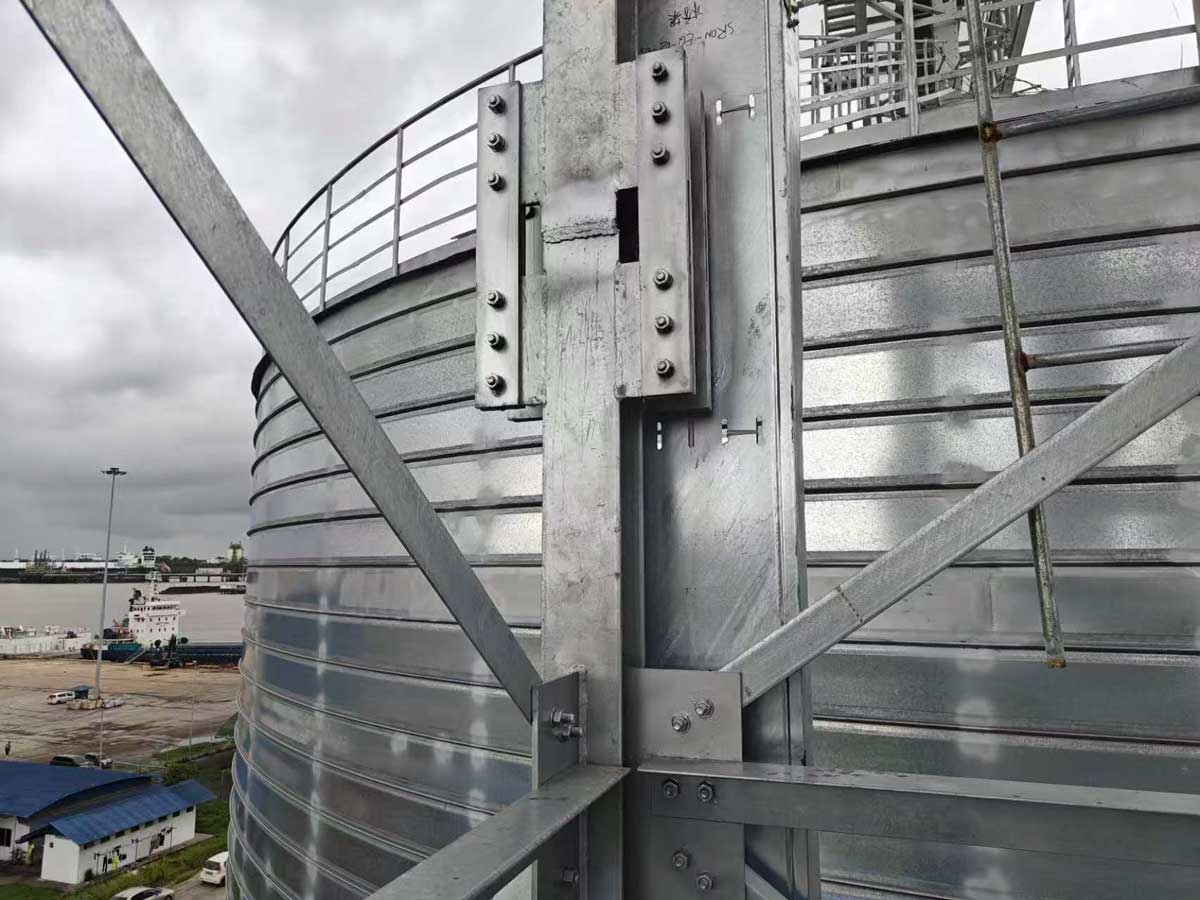
Steel silos, on the other hand, have shorter construction cycles, lighter structures, and higher modularity, making them more suitable for rapid deployment in various sites and have become one of the mainstream solutions for bulk storage of wood pellets in Southeast Asia.
Receiving and Unloading System: Unloading pit, tipping/unloading device (mainly for trucks/containers), equipped with dust removal and spray dust suppression devices;
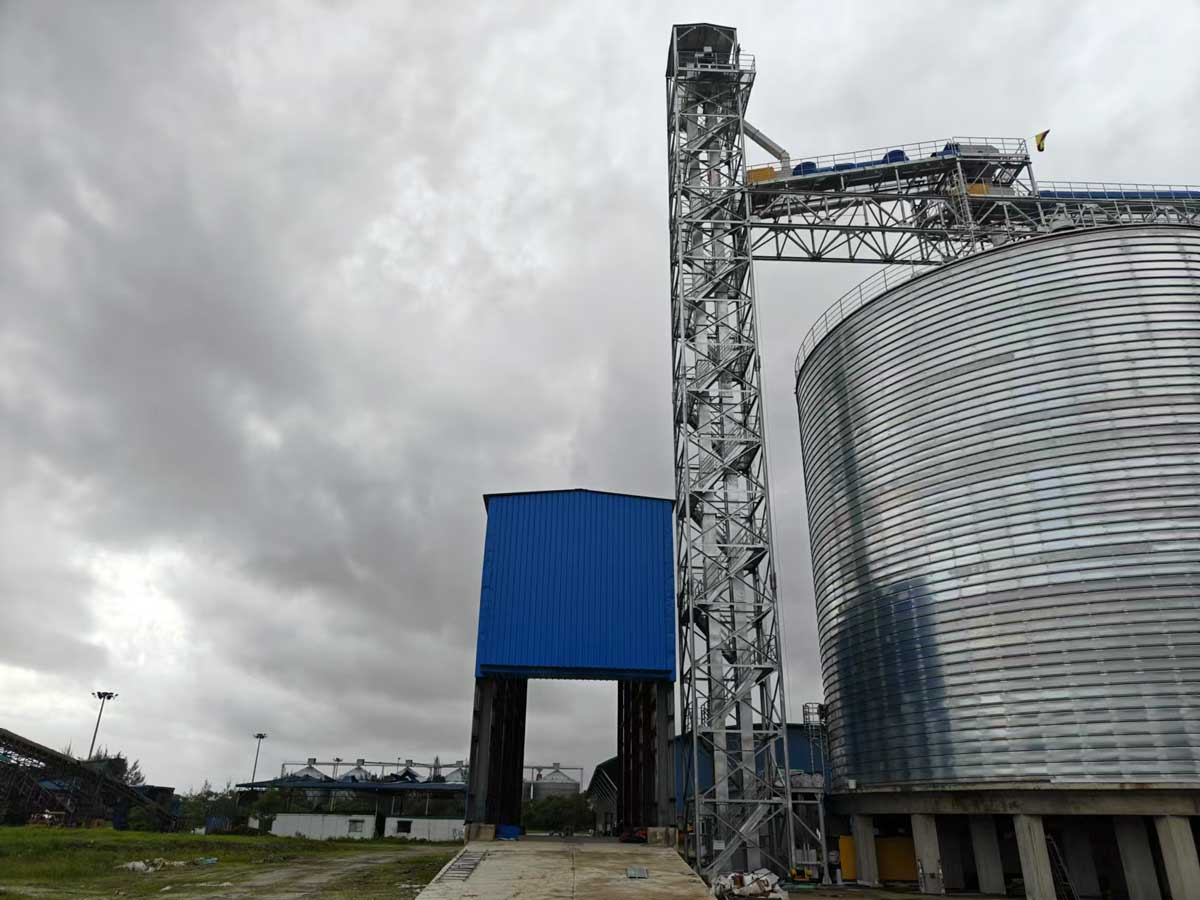
Conveying System: Bucket elevator, belt conveyor, scraper conveyor, or partial pneumatic conveying to transport pellets from the receiving point to each steel silo;
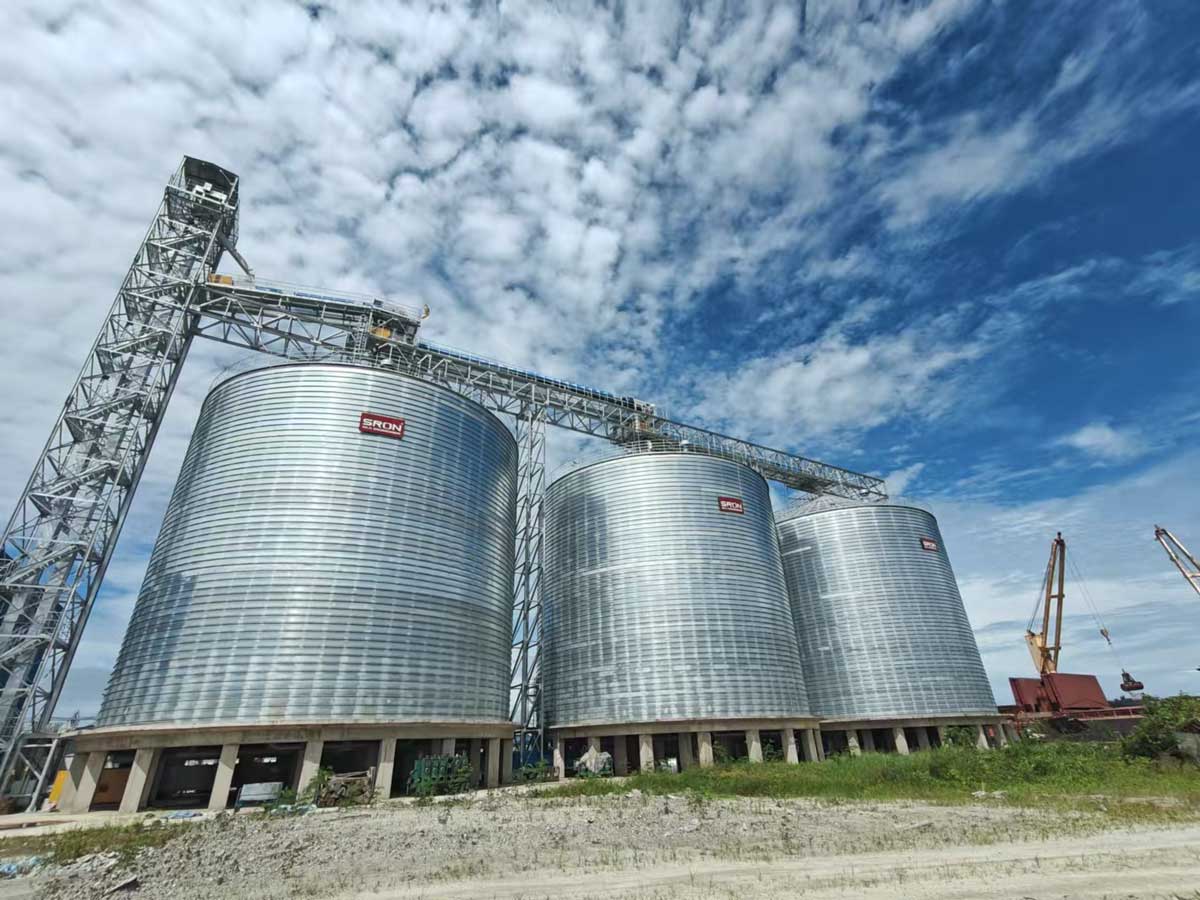
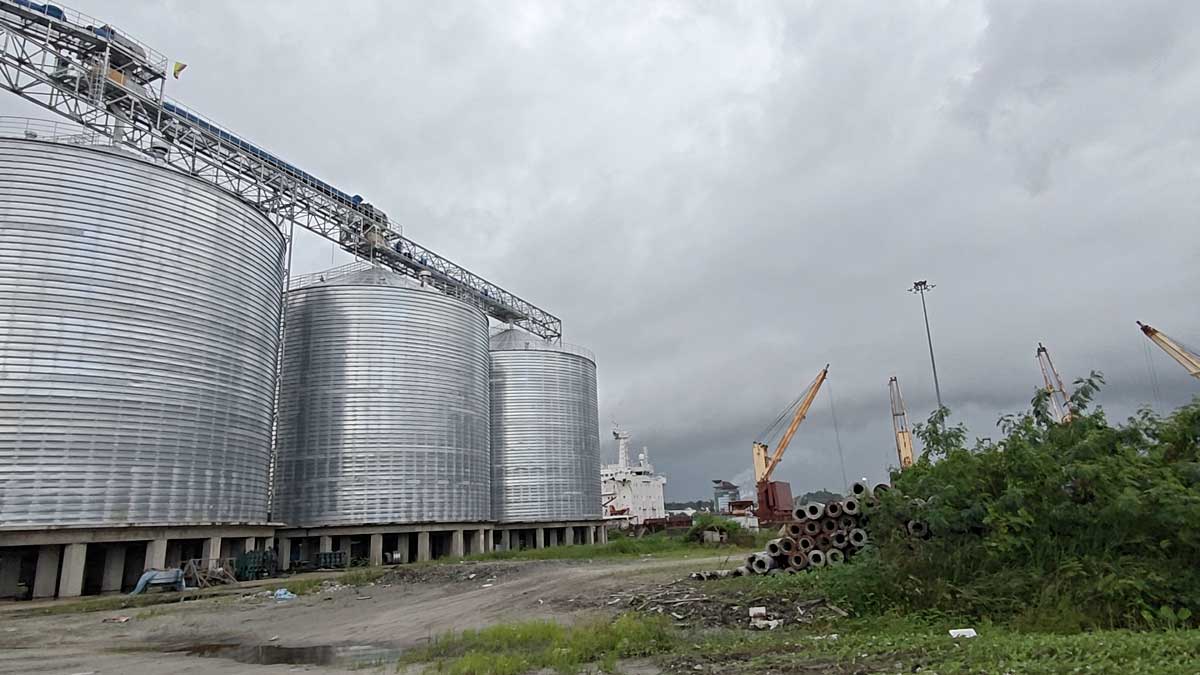
Main Silo and Buffer Silo: A silo complex consisting of 2–8 large steel silos; can be configured in combinations such as 3×5000t, 4×8000t, etc., and can also be linked with intermediate silos and daily use silos;
Ventilation and Monitoring System: Aeration and ventilation systems are installed at the bottom and top of the silos, equipped with temperature cables, CO/CO₂ and material level monitoring to achieve real-time monitoring of the silo environment.
Waterproof and windproof design to withstand heavy rain and strong winds;
Prevention of high humidity absorption leading to mold and clumping;
Control of self-heating risks to ensure long-term safe and stable storage.
Why do biomass power plants choose steel silos for storing wood pellets?
Based on Southeast Asian project experience, steel silos are favored by biomass power plants primarily due to the following combined advantages:
1. Short construction period and strong adaptability: Modular installation and rapid construction make them suitable for tight schedules and variable site conditions.
2. Easier ventilation and online monitoring: They facilitate the placement of aeration pipes, temperature cables, and gas sensors, and combined with automation systems, better meet safety requirements in high-temperature and high-humidity environments.
3. Flexible capacity and convenient expansion: Capacities ranging from several hundred tons to tens of thousands of tons can be customized; phased construction is possible, with subsequent expansion based on unit size and operational strategies.
4. Life-cycle cost advantage: Compared to concrete silos, total investment is typically lower and capital recovery is faster; with good ventilation and management, fuel loss due to self-heating and mold can be reduced.
Precautions for storing wood pellets in biomass power plants
Southeast Asia is located in a tropical or subtropical monsoon climate with high temperatures and heavy rainfall all year round. Compared with temperate regions, wood pellets are more prone to self-heating, mold growth, and clumping in silos. At the same time, the combination of high humidity and strong sunlight will also increase the difficulty of safety management of steel silos.
Regarding storage security, the following points require special attention:
Self-heating and smoldering: High temperature and humidity conditions exacerbate oxidation and heat generation. Poor ventilation or prolonged storage can create smoldering ignition sources.
Hazardous gases and oxygen deficiency risk: Self-heating processes generate CO and CO₂, consuming oxygen and potentially creating an oxygen-deficient, high-CO environment within the silo.
Dust explosion: Wood dust generated during loading, unloading, crushing, and conveying can reach a certain concentration in enclosed spaces, potentially triggering an explosion upon contact with sparks or high-temperature surfaces.
Considering the characteristics of Southeast Asia, the following design and operation recommendations for steel silos should focus on:
1. Enhanced ventilation, aeration, and top exhaust: Aeration at the bottom of the silo introduces cool, dry air, while the top exhausts hot, humid air, improving heat dissipation and dehumidification capabilities.
2. Improved online monitoring system: Multiple monitoring points for temperature, CO/CO₂, O₂, and material level should be deployed for early warning and coordinated response to abnormal trends.
3. Rational control of inventory and turnover: Avoid prolonged periods of full storage during high-temperature seasons. Implement First-In-First-Out (FIFO) inventory management and appropriately shorten inventory days, especially during the wet season, provided supply allows. 4. Standardize confined space operations and emergency plans: Strictly enforce entry permit systems and procedures for gas detection, forced ventilation, and isolation/lockdown; develop specific disposal plans for suspected smoldering areas to prevent structural or stockpile instability caused by improper operation.
Through these technical and management measures, even in the high-temperature and high-humidity environment of Southeast Asia, steel silos can achieve safe, reliable, and economical long-term storage of wood pellets.
Wood Pellet Steel Silo System Integrated Solutions and Project Experience (EPC)
For Southeast Asian owners, biomass power plant projects often require coordinated operations across the entire process, from fuel receiving, transportation, and centralized storage to boiler feeding. Therefore, it is more suitable for EPC general contractors with regional experience to provide systematic solutions, rather than simply supplying individual equipment.
For example, steel silo engineering companies like SRON typically offer the following solutions for Southeast Asian biomass power plants:
Preliminary Consultation and Solution Planning: Determine the steel silo capacity, silo cluster layout, and process route by considering resource supply stability, rainy season impact, unit load, and capital costs.
Engineering Design and Local Standard Adaptation: Complete process, general layout, civil engineering, electrical, and automation designs to meet local building codes and fire safety requirements.
Manufacturing and On-site Construction: Complete the manufacturing of the silo body and supporting equipment; organize transportation and on-site foundation construction; silo installation; and conveyor system setup.
System Commissioning, Training, and Long-Term Service: Train operators after commissioning and provide optimization suggestions for inventory turnover, ventilation strategies, and safety management based on operational data.
FAQ (Frequently Asked Questions)
Q: How many days of sawdust pellet inventory are generally recommended for biomass power plants in Southeast Asia?
A: If raw material supply is relatively stable, 5–10 days is generally recommended; if there are significant fluctuations during the rainy season or transportation, this can be increased to 10–15 days, determined comprehensively based on supply chain and capital costs.
Q: How should the Southeast Asian climate be considered when selecting steel silos?
A: Priority should be given to solutions with high corrosion resistance, excellent ventilation and insulation design, and mature monitoring systems. If large single-warehouse capacity and smooth inner walls are desired, spiral silos are preferable. If modular and standardized assembly is more important, corrugated prefabricated silos can be considered.
Q: What is the approximate timeframe from signing the contract to commissioning?
A: Medium-sized warehouse cluster projects typically take about 6–12 months, including design, manufacturing, transportation, civil engineering, and installation. Larger-scale or more complex projects will have longer timeframes.
Q: What special considerations are there regarding site and civil engineering?
A: Soft soil foundations, typhoons, torrential rains, and floods are common factors in Southeast Asia that require attention. These must be fully considered in the preliminary survey and foundation design, while also reserving space for vehicular roads, fire lanes, and equipment maintenance.
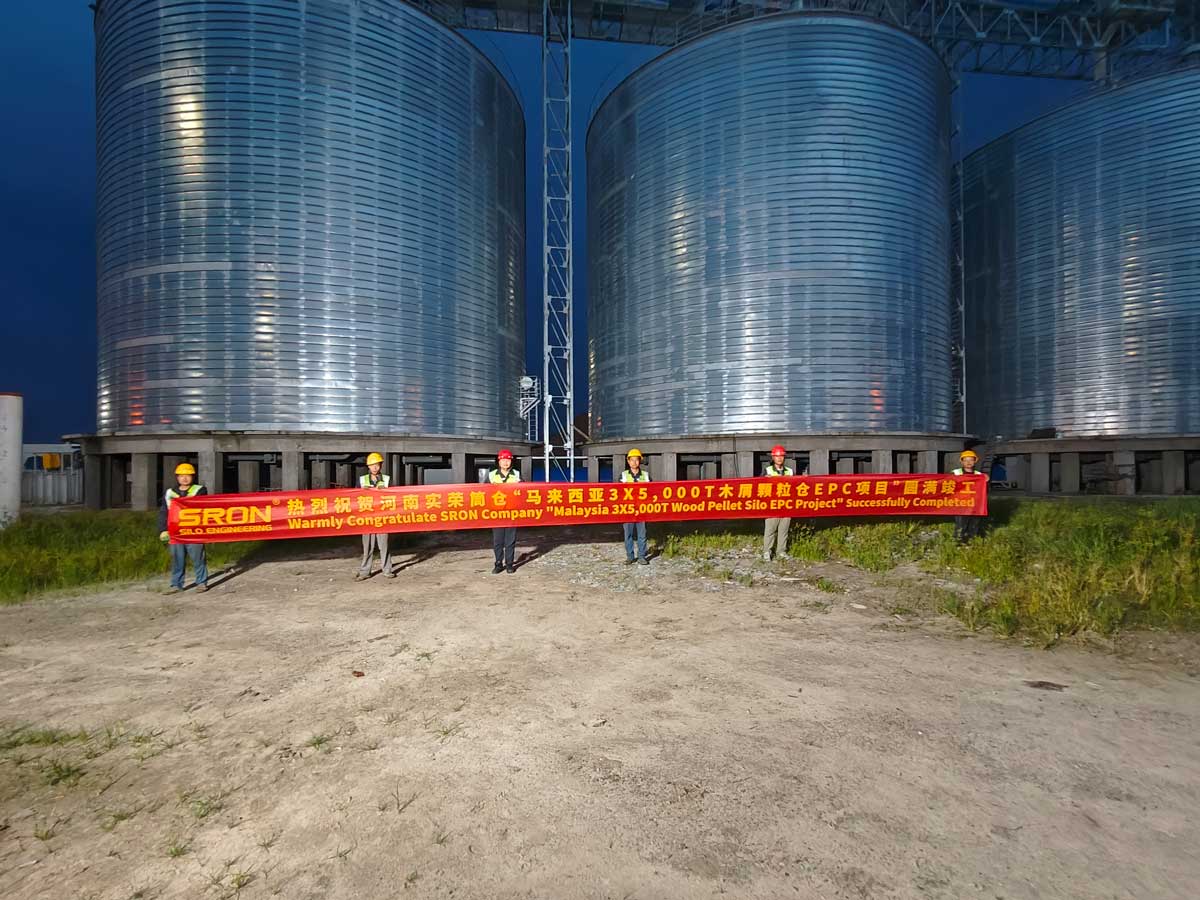
In summary, under the combined constraints of high temperature and humidity, fluctuating rainy seasons, and continuous feed supply, the core objective of wood pellet storage systems for Southeast Asian biomass power plants is to achieve "controllable safety stock, stable fuel quality, continuous and reliable output, and monitorable and early warning of risks." Steel silos, with their advantages of short construction cycles, flexible capacity expansion, easy ventilation, and online monitoring, can effectively reduce operational risks such as moisture-induced clumping, self-heating smoldering, oxygen deficiency, and dust explosions, while improving the power plant's fuel turnover efficiency and overall lifecycle economics. If you are planning or upgrading a wood pellet storage and conveying system for a Southeast Asian biomass power plant, SRON SILO ENGINEERING can provide a one-stop EPC solution, from solution consultation, process and civil engineering design, manufacturing and installation to commissioning and training. Contact SRON SILO ENGINEERING now for customized silo configuration suggestions and pricing.

.jpg)